
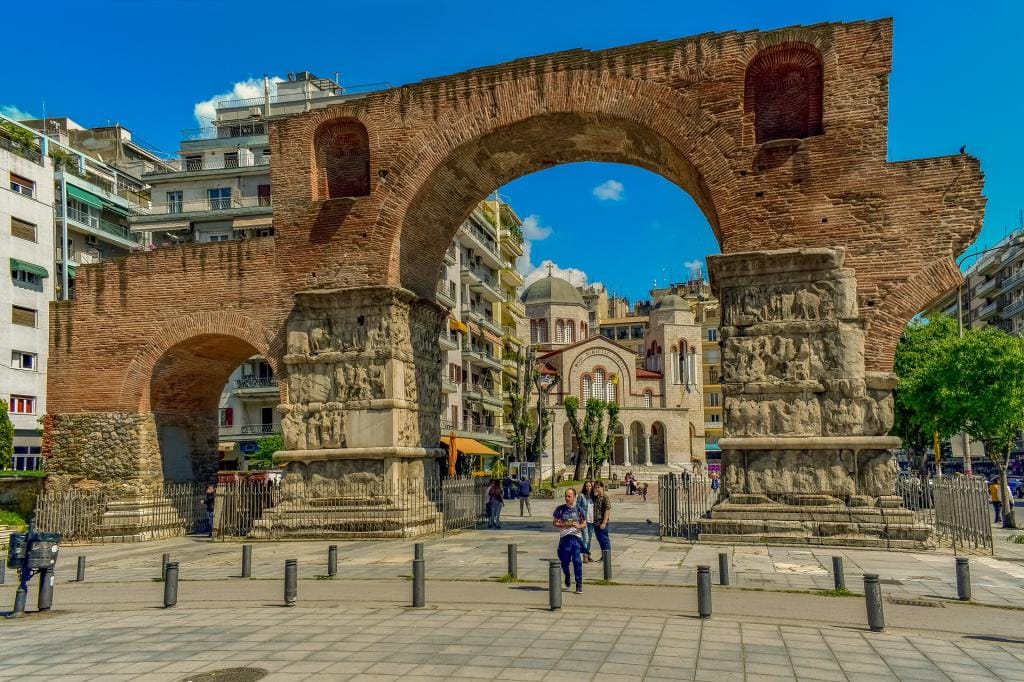
Rugged Joy in Churches
When I was 15 years old, I was baptized into the First Baptist Church of Sunrise, Florida. When I was 18, I was licensed to preach by the First Baptist Church of East Bay in Riverview, FL. When I was 31, I was ordained to the gospel ministry by the Old Forest Road Baptist Church in Lynchburg, VA. Those were three distinct churches exercising an authority that Baptist Christians normally see as given by the Lord himself to individual churches.
It’s a staple with Baptists to insist on the independence and autonomy of every local church. To be sure, it’s unusual for any Baptist church to be truly independent, with absolutely no ties to any other churches at all. Still, we believe our churches are accountable to the Lord Jesus alone, and not to any synod or district or diocese or denomination. We insist on autonomy because we are leery about the connectionalism that ties local congregations to hierarchies of denominational authority. So among Baptists, it’s normal for each congregation to own its own property and to choose its own leadership. We say that Baptists believe in congregational church government.
Of course, it’s not just Baptist Christians. Most Christians are used to thinking about churches one at a time. We think about our congregation, our ministries, our struggles, our attendance, our giving, our outreach, and our future. There is nothing wrong with that, and a whole lot right. The New Testament expects a church to care for its own flock and faithfully steward the ministry God has entrusted to it. What we sometimes forget, however, is what we see in the New Testament. In Acts and the Epistles and even Revelation, while the churches are free and autonomous, they are not ignorant of each other or standoffish toward one another. They are aware of each other, they pray for each other, they respect each other, they communicate with each other, they grieve with each other, and they rejoice with each other.
When the Apostle Paul wrote to the Thessalonian believers, he was not merely corresponding with an isolated congregation in Macedonia. He was writing to a church that had become a source of encouragement throughout the wider church community across the eastern Mediterranean. In other words, the Thessalonian church had become a matter of conversation. Believers elsewhere were hearing about their faith and were being encouraged by their example. In other words, they were getting a reputation among churches far and wide,
That is a remarkable thought.
Many churches measure success by size, visibility, or influence. Paul measures this church by a different standard. He rejoices because the grace of God is so evident among them that other churches are being strengthened through their testimony.
This passage reminds us that Jesus never intended his churches to live in isolation from one another. Churches are independent under the lordship of Christ, but they are not alienated from one another. The same Savior purchased them. The same gospel created them. The same Spirit indwells them. The same mission unites them.
When God does a work in one church, that blessing overflows into many churches.
The first four verses of 2 Thessalonians are the opening lines to a follow-up letter to the church at Thessalonica, probably written less than a year after Paul’s first letter. As we look at it, a picture will emerge.
Persecution is still a problem.
The confusion about the return of Christ and the Day of the Lord is till bubbling.
There is apparently still an issue with idleness
- ongoing grace of God in Christ by the Holy Spirit
- some new issues, including a notoriously sinister and mysterious character called “the man of lawlessness”
Pay attention as we read. The key word in these verses is the word “boast” in verse 4. The word means “to brag about,” “to rejoice in,” “to glory in.” This might look like just one short word, but meditate on it for a while. You’ll come to see that the whole passage builds to the crescendo of this word. Paul is boasting about, the other churches are celebrating, and God himself smiling on the Thessalonian church and the way they have opened themselves up to his working in their midst—especially in the midst of their pain. This word intersects with your desire and mine to find meaning and joy for our lives in Christ our Lord—particularly when things are hard.
2 Thessalonians 1:1-4
1 Paul, Silvanus, and Timothy,
To the church of the Thessalonians in God our Father and the Lord Jesus Christ:
2 Grace to you and peace from God our Father and the Lord Jesus Christ.
3 We ought always to give thanks to God for you, brothers, as is right, because your faith is growing abundantly, and the love of every one of you for one another is increasing.
4 Therefore we ourselves boast about you in the churches of God for your zsteadfastness and faith in all your persecutions and in the afflictions that you are enduring.
The central lesson of our text is this: just as a truly Christlike Christian is an immense resource for other Christians, so a truly rugged church becomes a source of joy, encouragement, and strength to other churches. Paul develops that truth through four observations
the first observation
The churches rejoiced in their shared Family
1 Paul, Silvanus, and Timothy,
To the church of the Thessalonians in God our Father and the Lord Jesus Christ:
- standard opening salutation in Paul’s letters
- standard in the ancient world to begin a letter with the name of the person who is writing the letter and the name of the person or group that the letter is being sent to
- a local church family is an outgrowth in time and space of the eternal family relationship between the Father and his Son and the Holy Spirit that proceeds from them both x2
- If you think that I am saying too much when I say that, I’ll just point out that it is exactly what Paul says about this Thessalonian church
- if you follow that family thinking through all four of these verses then you come to realize that the relationship between our local church family and other church families in our neighborhood and around the world it is also an outgrowth of the eternal family relationship in the Trinity
- those who think that being part of a local church is an optional issue for Christians are not paying attention to what the Bible says
- which is why you hear me every week say that being part of a local church family is a necessary part of being ready to take the Lord’s Supper
- but by the same token those who think that each local church is simply a solitary isolated atomized unit with no relationship with other churches is likewise not paying attention to what the Bible says
- Christian faith is a family affair
The churches rejoiced in their shared Family
the second observation
The churches rejoiced in their shared blessing
2 Grace to you and peace from God our Father and the Lord Jesus Christ.
- one of Paul’s favorite greetings/blessings
- never simply assumed, always earnestly, openly urged and taught
- created by grace, sustained by grace
- electing grace: grace from God before time began: Paul wants them to come to know it
- common grace: the blessing of God that is common to all people whether saved or lost
- redeeming grace: the grace of God poured out upon his people on the cross of Christ
- regenerating grace: the gracious gift of the Holy Spirit as he grants new birth the sinners who are dead in their trespasses
- transforming grace: the grace of God changing us through the Holy Spirit so that we begin live like Jesus as we follow Jesus
- sustaining grace: the grace of God that keeps us saved and keeps us growing
- living at peace with God and each other
- peace with God: the fundamental change in our relationship with God that happened when we came to Jesus and his blood was applied to our case…
- we went from being the enemies of God, in rebellion against God, to being the children of God and the friends of God
- peace from God: the absence of internal upheaval… The calm and self-control that comes from the work of the Holy Spirit in us, teaching us to rest in Jesus
- peace with each other: we believe and live by what Jesus says about forgiveness and reconciliation with everybody, but especially with other followers of the Lord Jesus, and most especially with members of our own church family
- I pray that you’ll come to feel and understand and rest in the grace of God and the peace of God
The churches rejoiced in their shared Family
The churches rejoiced in their shared blessing
the third observation
The churches rejoiced in their shared growth
3 We ought always to give thanks to God for you,
- “we” = Paul, Silas, Timothy, the Corinthian church, and probably other churches as well
- need to remember
1Thessalonians 1:8 For not only has the word of the Lord sounded forth from you in Macedonia and Achaia, but your faith in God has gone forth everywhere, so that we need not say anything.
The more you look at these four verses, the clearer it becomes that Paul and his team are thinking about how every virtue God is working in the Thess church is being shared out, not only to Paul and his team, but also every Christian and every congregation of Christians that hears about the growth that God is working among the Thessalonians
3 We ought always to give thanks to God for you, brothers, as is right, because your faith is growing abundantly, and the love of every one of you for one another is increasing.
- three kinds of growth
- growth in faith (trust in the Lord)
- trusting that the Lord will keep you
- trusting that the Lord will grow you
- trusting that the Lord well protect you
- trusting that the Lord will provide for you
- trusting that the Lord will use you
- growth in love
- Love God
- love for other church covenant family members
- love for other Christians in general
- love for human beings
- love for all creation
- growth in thanksgiving
- Paul and his team and the Corinthians and other churches
- the Thessalonian Christians themselves
- Every individual Christian growing in faith and love
- every congregation that those Christians belong to growing in faith and love
- multiple congregations in fellowship together growing in faith and love
The churches rejoiced in their shared Family
The churches rejoiced in their shared blessing
The churches rejoiced in their shared growth
the fourth observation
The churches rejoiced in their shared witness
4 Therefore we ourselves boast about you in the churches of God for your zsteadfastness and faith in all your persecutions and in the afflictions that you are enduring.
- There’s that word “boast,” the one that it in some ways controls and permeates our whole text
- Paul says he brags about the Thessalonians when he’s talking to other churches
- steadfastness + faith x persecutions & afflictions = martyrdom (witness)
- alternate term would be rugged testimony
- solid theology and passionate devotion and fervent zeal for the gospel, lived out in the open for all to see in the face of persecution and hardship
- brings rejoicing to the heart of Paul and all the brothers of all the churches
Matthew 5 10 “Blessed are those who are persecuted for righteousness’ sake, for theirs is the kingdom of heaven.
11 “Blessed are you when others revile you and persecute you and utter all kinds of evil against you falsely on my account. 12 Rejoice and be glad, for your reward is great in heaven, for so they persecuted the prophets who were before you.
- the martyrdom of Polycarp, the burial of his bones
The churches rejoiced in their shared Family
The churches rejoiced in their shared blessing
The churches rejoiced in their shared growth
The churches rejoiced in their shared witness
set the hook
- the birth of the church in Thessalonica
- intense persecution from Jews and Greeks
- the birth of the First Baptist Church of Dundalk in October of 1929 coincided almost exactly with the beginning of the Great Depression
- built our first building with our own hands
what God wants them to do
When we were talking earlier about peace with God, I made the claim that before people come to know Jesus they are actually the enemies of God. You may have thought that was rather a weird thing to say.
- king and rebel à father and child
- For an unbeliever, the way to react to the phrase “peace with God” is to realize that you are at war with God, surrender, receive his love and forgiveness, and accept his offer of welcome into his family
- For a believer the way to react to the phrase “peace with God” is to learn to simply rest in the love an acceptance of God your father bought at the cost of the blood of Jesus his son, and brought to you intimately and immediately by the Holy Spirit of God living in you with fullness of joy
Eternal Father, in this very moment, we turn again from our sin and ourselves to you and your glory,
Trusting only in your Son’s sacrifice for our sins to make us right with you.
We want to shelter ourselves in the shadow of his cross,
Bathe ourselves in the blood that he shed there for us,
Rest ourselves on his redemption
Robe ourselves in his righteousness,
Renew ourselves in his resurrection,
Lose ourselves in his Lordship,
And find ourselves in his friendship.
We want him to become for us, for today and forever, wisdom from God, and righteousness, and holiness, and salvation.
For he is the One who suffered once for sins, the righteous for the unrighteous, that he might bring us to you, our Father.